
11 to 13 May 2011
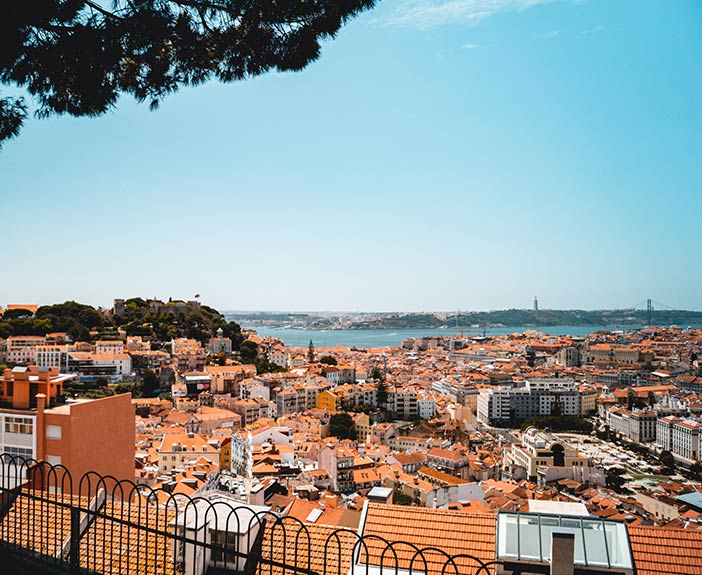
Lisbon, Portugal
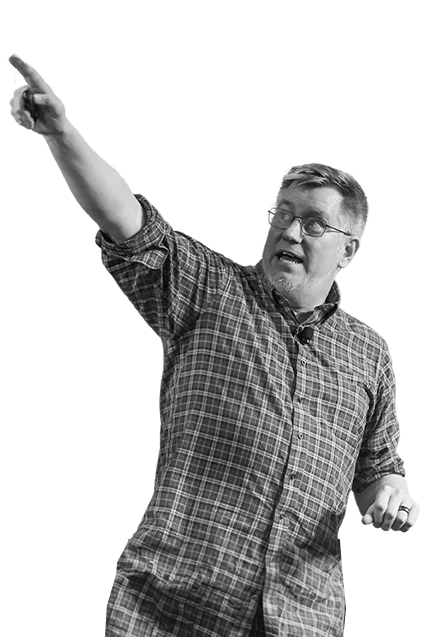
Larry Constantine
Larry Constantine, IDSA, is an award-winning interaction designer specializing in enhancing user performance, particularly in safety-critical applications. A pioneer of modern design methods and a persistent innovator with multiple patents, he is also an award-winning author with 17 books and more than 175 papers published. In wide demand as a presenter, he has keynoted many major international conferences.

Larry is an Institute Fellow at the Madeira Interactive Technologies Institute and a Professor at the University of Madeira where he teaches in the dual-degree MHCI program that he helped organize with Carnegie-Mellon University. He is a Fellow of the Association for Computing Machinery and in 2009 he received the prestigious Stevens Award for his contributions to design and design methods.

Larry Constantine

Talk

Designing for User Performance and User Success

As designers, we want to be successful, yet in the passionate pursuit of creating compelling and engaging experiences, it can be easy to forget the importance of promoting the success of those who use our products and services. We can lose sight of what is most important to understand about our users if we are to serve them better. Don Norman expressed it most succinctly and controversially, saying, “Focus upon humans detracts from support for the activities themselves.” Designing for user performance is about enhancing the success of users in performing those activities and achieving those purposes that make the most sense to them—activities within which the use of our products and services may be but a small part.

In this talk, award-winning designer and design methodologist Larry Constantine will draw on examples as diverse as medical systems and consumer entertainment to demonstrate how a shift in focus can show the way toward more successful users and more successful, broadly useful and usable products and services with lasting value and appeal based on a deeper understanding of human activity and what is needed to support its performance.

Friday, 14 May @ 17:15-17:55
40 minutes
Auditorium I